.webp)








.webp)

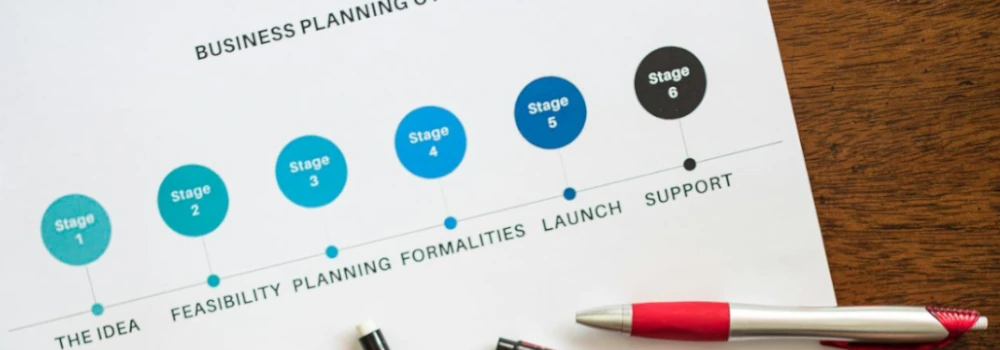
One of the most common mistakes in developing a new restaurant concept is starting in the wrong place.
Some operators begin with menu ideas. Others start with branding, interiors, or social media. Some fall in love with a logo before they know if the business model works. None of those pieces is unimportant, but when they happen out of order, they often create wasted time, unnecessary costs, and a feeling of disconnection once it opens.
The better question is:
What should come first in new concept development: menu, brand, or operations?
The short answer is none of them.
What should come first is strategy.
At Synergy Restaurant Consultants, we help operators build concepts in the right sequence so each decision supports the next. Strong concepts are not built from random pieces. They are built on a clear foundation.
Why So Many Concepts Start Backward
It is easy to understand why this happens.
The menu is fun. Branding is exciting. Design feels tangible. Those pieces can feel productive because they create momentum, but they can also give the illusion of real progress.
An owner might spend months debating names, branding, and signature menu items while still not having solid answers to the bigger questions:
- Who is this concept really built for?
- What market needs are we filling?
- What price range fits the market?
- What level of service can we realistically staff and support?
- What average check do we need for the numbers to work?
- Why would guests choose us over nearby places?
Without clear answers to those questions, it is easy to build something that looks good but lacks direction.

What Actually Comes First: Positioning
Before the menu, before the branding, and before working through operational details, you need a clear market position.
That means understanding:
- Who the target guest is
- What need you are meeting
- What lane you are competing in
- What experience you are promising
- Why your concept matters in this market
Examples of strong positioning:
- Fast-casual lunch built for busy office workers
- Family Italian restaurant centered on comfort and value
- Premium coffee café designed for lifestyle retail centers
- High-energy brunch concept for social occasions
If the positioning is clear, every future decision—menu, operations, and branding—falls into place and aligns toward your concept’s goals.
If the positioning is vague, every future decision becomes harder.
Second: Financial Reality
Before locking in the menu or spending money on design, the concept must make financial sense.
That means understanding things like:
- How much rent the business can realistically support
- What the labor model should look like
- Target food costs
- Beverage sales potential
- The sales level needed to break even
- The average check needed to hit goals
- How much startup capital is required
- How much cash should be set aside during the opening ramp-up?
A lot of operators build the concept first based on excitement, then try to make the numbers fit afterward. That usually creates problems.
That is backward.
A smart concept is financially realistic from the start.
At Synergy, we often help clients with a restaurant financial model to assess feasibility analysis before major commitments are made. That step alone can prevent expensive mistakes.
Third: Operations Model
Once the concept and numbers make sense, operations should be designed around them.
Questions to solve:
- Is this better suited for counter service or full service?
- How many kitchen stations will it actually need?
- What equipment is necessary to handle the expected volume?
- How many labor hours will each shift require?
- What should ticket times realistically look like?
- How much daily prep will be needed?
- What type of team and skill level will it take to run well?
This is where many concepts start to be tested. Ideas that sound great in planning can become much harder to execute once the day-to-day reality sets in.
A strong concept should be able to handle:
- Busy weekends
- Short staffing
- Rising costs
- Training turnover
- Seasonal fluctuations
Operations are not an afterthought; they are the engine of the concept.
Then Comes the Menu
Once the foundation is in place, the menu can be built with more purpose.
Instead of asking, “What food do we like?” the better questions are:
- What menu best supports the brand?
- Which items deliver strong margins?
- What can the kitchen produce consistently?
- What fits the occasion guests are coming in for?
- What keeps inventory under control?
- What helps maintain the right speed of service?
The best menus are not always the largest or most creative. They are the most aligned.
Too many menus are collections of favorites rather than tools that support the business.
Strong menu engineering balances guest appeal, margin, speed, and simplicity.
Then Comes Branding
Once the concept itself is clear, branding becomes far more effective.
Branding should strategically communicate what already exists—not create identity out of thin air.
That includes:
- Name
- Logo
- Color palette
- Tone of voice
- Interior cues
- Packaging
- Social media personality
- Website messaging
If the concept is strong, branding enhances and communicates your positioning, helping guests immediately understand your unique offering.
If the concept itself is weak, branding can only cover that up for so long.
A great logo will not fix bad economics. A polished Instagram page will not solve inconsistent operations.
Common Ways Operators Get Off Track
1. Getting Stuck on the Name Too Early
Choosing a name becomes much easier once the concept and positioning are clear.
2. Building a Huge Menu to Please Everyone
Trying to offer something for everyone usually leads to confusion, waste, and slower execution.
3. Spending Too Much on Design
Appearance matters, but not if it drains the cash needed to actually run the business.
4. Not Building Strong Systems Early
Opening buzz fades fast if the day-to-day operation is disorganized.
5. Making Decisions Based on Preference Instead of Facts
Good decisions should be based on the market, the numbers, and how the business will actually run.
A Better Development Sequence
For most operators, a smarter order looks like this:
1. Concept Strategy
What are we building, and why does it matter?
2. Financial Model
Can the numbers work?
3. Operations Plan
Can we run it consistently?
4. Menu Development
What menu supports the concept and the margins?
5. Brand Identity
How do we present it clearly to the market?
6. Launch Plan
How do we open the right way?
Following this order keeps the process focused, reduces expensive mistakes, and usually leads to a much stronger opening.
Why This Matters So Much
When concepts are built out of order, owners commonly experience painful corrections after opening:
- Repricing menus too late
- Reworking kitchen flow
- Cutting menu items quickly
- Rebranding after confusion
- Adding labor they cannot afford
- Trying to explain a concept that guests never understood
Those changes are expensive once the doors are open.
It is far less expensive and far more strategic to answer these questions and make corrections before launching, rather than after opening.
How Synergy Can Help
At Synergy Consultants, we help clients build concepts in the right order so they launch stronger and smarter.
We support:
- Concept positioning
- Feasibility analysis
- Menu engineering
- Kitchen workflow
- Labor modeling
- Brand strategy
- Launch readiness
- Growth planning
Whether you are creating something brand new or reworking an idea that feels wrong, we help bring structure to the process.
Final Thoughts
What should come first in new concept development: menu, brand, or operations?
None of those should come first.
The first step is having a clear strategy.
Once that is in place, the menu has direction, operations make more sense, and branding becomes much easier to build. Everything starts working together instead of pulling in different directions.
At Synergy, we help operators turn loose ideas into clear, workable concepts. Whether you are starting something new or trying to fix a concept that never fully clicked, we can help you build the right foundation before costly decisions are made.