.webp)










.webp)

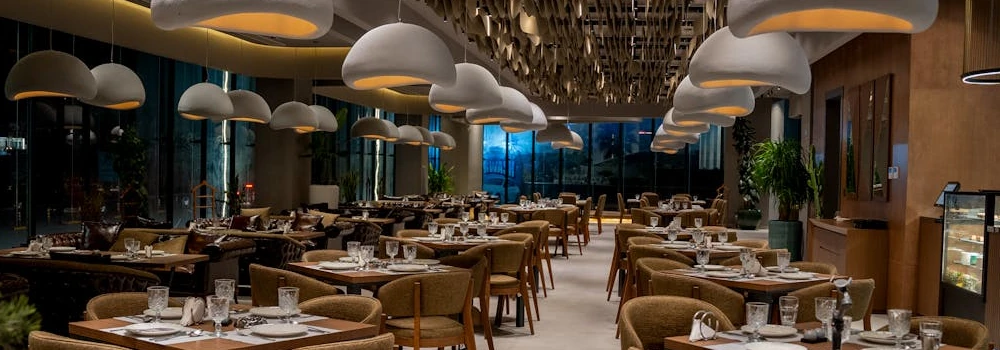
A restaurant refresh often starts with a feeling that something is off, even if the business is not in crisis. Maybe the dining room still gets steady traffic, but regular guests are ordering the same few items and newer customers are not coming back as often. Maybe reviews are generally positive, but people keep mentioning slow service, dated decor, confusing menu choices, or prices that do not quite match the experience. The restaurant may still have a good name, a loyal customer base, and a concept worth keeping, but it needs a sharper its identity.
A restaurant refresh can be especially useful when the brand still has value, but the guest experience needs more energy. Relatedly, recent research from the Boston Consulting Group found that many U.S. consumers have cut back on restaurant spending, with higher prices affecting how often they dine out and how much they spend. Furthermore, BCG notes that value is shaped by quality, service, experience, and personalization, not solely by price. In a similar vein, The James Beard Foundation’s 2026 Independent Restaurant Industry Report also highlights the pressure independent restaurants face from rising costs, shifting consumer behavior, and higher guest expectations. For owners, this creates a clear opportunity to improve the parts of the restaurant that guests notice most, without losing the identity that already works
Start With What Guests Are Already Telling You
A refresh should begin with real feedback. Online reviews, guest comments, sales trends, staff observations, reservation patterns, and repeat customer behavior can help owners understand where the restaurant feels strong and where it may be losing energy.
Guests may be saying the menu feels too limited, the dining room feels dated, the service feels inconsistent, the prices feel high for the experience, or the restaurant no longer feels as exciting as it once did. These comments do not always mean the concept is broken. They may point to specific areas that need attention.
By moving beyond addressing individual complaints, a restaurant consulting firm can help organize feedback and connect it to practical recommendations.
Refresh the Menu With Purpose
Menu development is often one of the most effective ways to refresh a restaurant. The menu affects guest perception, food cost, kitchen workflow, pricing, check average, and brand identity. A thoughtful menu refresh can make the restaurant feel more current while also improving operational performance.
Owners should look at which items are selling, which items are profitable, which items slow down the kitchen, which ingredients create waste, and which menu descriptions could be stronger. Some restaurants need new items, while others need better pricing, improved layout, fewer low-performing items, stronger photography, or clearer category structure.
The goal is to make the menu more appealing and easier to execute.
Improve the Service Experience
Service is one of the fastest ways to change how guests feel about a restaurant. A refreshed service experience may include updated greeting standards, more thorough table touches, stronger menu knowledge, clearer communication, improved pacing, or greater manager involvement during service.
Training plays a major role here. Employees need to understand what the restaurant wants guests to experience, not just what tasks they need to complete. A service refresh can help the team deliver hospitality with more confidence and consistency.
This is also a good time to review front-of-house systems, reservation flow, takeout handoff, host stand organization, and guest recovery procedures. Small service updates can make the restaurant feel more polished without changing the entire brand.
Review Pricing and Value Perception
Many restaurant owners are under pressure to raise prices, but pricing changes should be handled carefully. Guests are paying attention to value, and value is shaped by more than the number on the menu. Portion size, food quality, service, atmosphere, presentation, convenience, and consistency all influence whether guests feel the experience was worth it.
A restaurant refresh should include a pricing review that considers food cost, contribution margin, competitive position, guest expectations, and menu design. The answer may involve menu engineering, improved descriptions, adjusted portions, new menu architecture, or stronger high-margin items.
When pricing and value feel aligned, guests are more likely to understand the experience they are paying for.
Update the Look Without Losing the Brand
A visual refresh can help a restaurant feel more current without changing its name, concept, or full identity. Updated photography, improved menu design, refreshed signage, better lighting, cleaner table presentation, new uniforms, minor decor updates, and stronger social media visuals can all make a meaningful difference.
The key is to protect what guests already love about the restaurant while improving what feels outdated or inconsistent. A restaurant with a loyal following should be careful not to erase its personality. A refresh should make the brand easier to understand and more appealing to the right guests.

Strengthen Operations Behind the Scenes
A restaurant refresh should not only focus on what guests see. Behind-the-scenes operations can significantly affect the experience. If the kitchen is struggling, service is inconsistent, inventory is disorganized, or managers are constantly reacting to preventable issues, visual updates will only go so far.
Restaurant owners should review prep systems, service flow, manager checklists, ordering habits, training, cleanliness standards, and communication routines. Operational improvements help make the refreshed guest experience sustainable.
FAQ: Restaurant Refresh Strategy
What is the difference between a restaurant refresh and a rebrand?
A restaurant refresh updates parts of the business without changing the entire brand identity. It may include menu improvements, service updates, pricing review, interior adjustments, photography, staff training, or guest experience changes. A rebrand usually involves a larger shift in name, concept, positioning, visuals, and market identity.
How do I know if my restaurant needs a refresh?
A restaurant may need a refresh if guest traffic has slowed, reviews mention the same issues, the menu feels outdated, the dining experience lacks energy, or the brand no longer feels aligned with the target audience. A refresh can help restore relevance without starting over.
Can menu development be part of a restaurant refresh?
Yes. Menu development is often one of the most important parts of a restaurant refresh. Updating menu items, pricing, descriptions, layout, ingredients, and presentation can improve guest interest, operational efficiency, and profitability.
Refresh What Matters Most
A restaurant refresh can help owners improve performance, strengthen guest perception, and bring new energy to the business without starting over. The best refreshes are focused, practical, and tied to the restaurant's goals.
Synergy Restaurant Consultants helps restaurants improve their menu, guest experience, operations, and branding. Remember: not every restaurant needs a rebrand, but every restaurant can benefit from purposeful updates based on clear goals and expert guidance.