.webp)







.webp)


In many restaurants, managers spend most of their shift reacting. Someone calls out. The host stand gets backed up. A ticket takes too long in the kitchen. A guest complaint lands on the manager’s desk. Before long, the manager is jumping into positions just to keep things going.
By the end of the night, they’ve worked harder than anyone in the building, but they haven’t actually managed the operation. They’ve just kept the shift from falling apart.
This is what many operators fall into without realizing it: managers stuck in constant triage mode. They’re solving problems as they appear, but the same problems show up again the next day.
The difference between a manager who reacts all night and one who leads the shift usually comes down to one thing — systems.

When strong systems are in place, managers don’t have to chase every issue. The operation runs with more structure, and the manager’s job becomes oversight rather than survival.
Why So Many Restaurant Managers End Up Reacting Instead of Leading
One of the biggest places this starts is before the shift even begins.
A well-run pre-shift meeting can prevent half the problems that usually show up later. This isn’t about giving a motivational speech or running through the specials for thirty seconds. It’s about setting the shift up to run smoothly.
Who’s responsible for which section?
Where the pressure points are likely to be.
Any menu items that might run out.
Large reservations or events that could affect the floor.
When the team knows what the shift will look like, they’re less likely to get caught off guard. Structure before the doors open often determines how chaotic the night becomes.
Why Restaurant Routines and Checklists Reduce Daily Chaos
The same idea applies to routines.
In restaurants where standards are constantly slipping, managers often feel like they’re repeating the same reminders over and over again. Side work isn’t finished. Prep runs late. Service steps get skipped.
Usually, this isn’t a discipline problem. It’s a structure problem.
When routines are clearly defined and consistently followed, the team doesn’t need constant reminders. The system keeps the standard.
Closing checklists get completed because they’re part of the routine. Prep gets done because the timeline is clear. Service actions happen because they’re part of how the shift runs.
Managers should verify these things, not chase them.
Strong systems also change how supervisors think.
In reactive environments, supervisors expect problems to appear and then look for someone to fix them. In organized environments, supervisors are expected to identify patterns and address problems before they escalate.
A strong shift leader watches ticket times, pacing, and staffing levels. If the kitchen is about to get slammed, they adjust sections or slow the door. If the bar is backing up, they move support before the problem spreads across the floor.
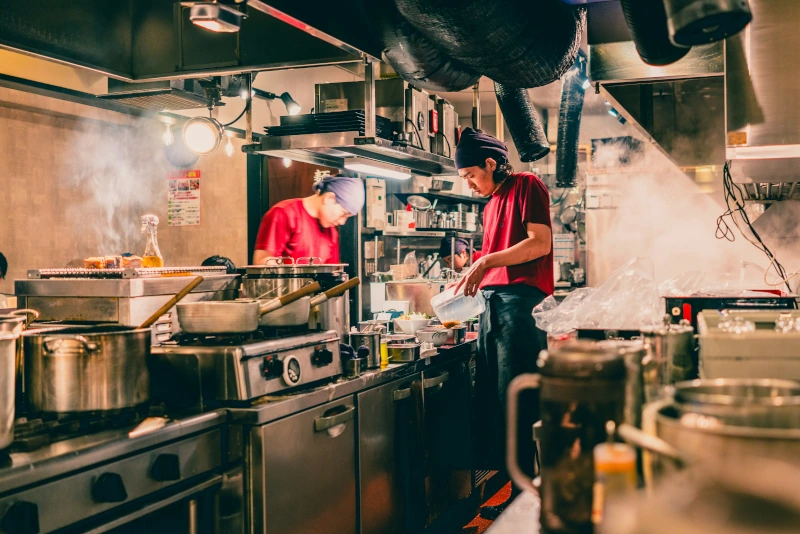
They’re not just responding to problems. They’re managing the operation.
Restaurants that run consistently during busy periods usually have something in common. Their managers aren’t stuck fighting fires all night.
They’re leading the shift.
That only happens when the operation has enough structure to support them. Without it, even good managers end up spending the entire night reacting.