.webp)









.webp)


Every restaurant has a moment in the spring when things start to shift.
The weather improves. Patio tables fill again. Weeknight traffic creeps up. What felt like a manageable pace during the slower winter months suddenly picks up.
When volume increases, operations get tested. Systems that worked fine when things were slower start to feel the pressure. Little inefficiencies turn into service delays. A staffing gap that seemed manageable suddenly leaves people stretched thin.
March is a good time to step back and take a quick look at how things are running before the pace really picks up.
Here are five areas worth checking now.
1. Scheduling That Looks Good on Paper but Fails in Service
A schedule can look fine on paper and still fall apart when the restaurant gets busy.
Think back to your last few busy nights. Were managers jumping into positions just to keep the shift moving? Did certain stations struggle to keep up? Did the closing team feel stretched by the end of the night?
Schedules built with just enough coverage often break as volume increases. Busy nights require a little cushion, someone who can float, help where needed, or absorb a call-out without throwing the whole shift off.
If managers are regularly working stations instead of running the shift, the schedule needs another look.
2. Prep Systems That Collapse Under Volume
Prep lists often grow slowly over time. New menu items get added. Specials become permanent. A few extra tasks here and there.
When business picks up, kitchens suddenly struggle to keep up.
Walk through a typical prep day and ask a simple question: could the kitchen handle a 20–30 percent increase in volume without falling behind?
If prep is running late or bleeding into service, something needs to be tightened up. Prep priorities should be clear, timelines realistic, and someone should be responsible for ensuring everything is finished before the rush starts.
3. Menu Items That Slow the Line
Every menu has a few dishes that cause problems during peak service.
They take longer to plate. They require extra steps. They depend on ingredients that run out faster than expected.
When things are slower, it might not cause much trouble. But on a busy Saturday night, those same dishes can slow down the whole line and push ticket times up.
Take a close look at the items that keep causing delays. Sometimes a small change in prep, plating, or portion size is all it takes to smooth things out. In other cases, the item may need to be reconsidered entirely.
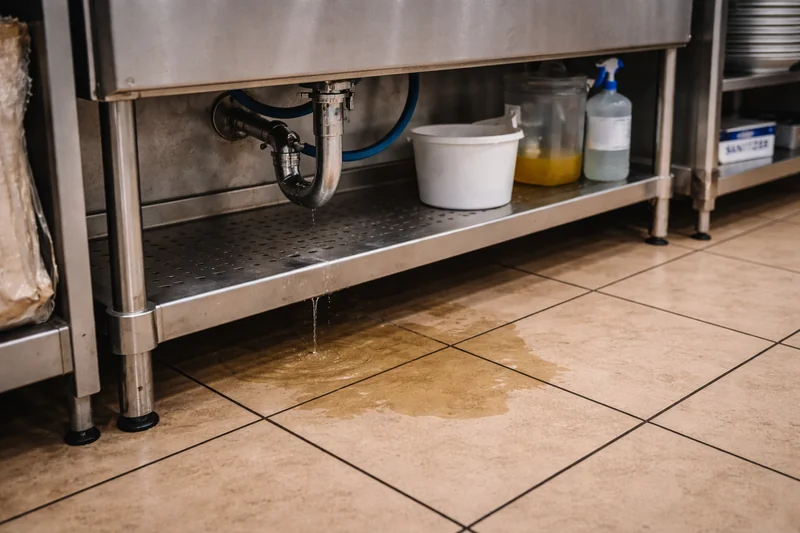
4. Maintenance Problems Waiting to Happen
Busy seasons tend to expose equipment problems at the worst imaginable moment.
A cooler running slightly warm. A fryer that struggles to recover temperature. A dishwasher that takes longer to cycle than it should.
It’s easy to overlook these things when the restaurant is quiet. When the place is full, they can stop a service in its tracks.
Take a walk through the kitchen and bar this month and look at things closely. If a piece of equipment already seems questionable, it’s probably going to cause trouble once business picks up.
5. Guest Experience Details That Slip
Most service breakdowns start small.
A host stand that gets backed up. A table that waits too long to be greeted. A food runner who can’t find the right seat.
When traffic increases, those minor moments begin to stack up.
Watch a full service from the guest’s perspective. Are there points where the experience slows down or feels disorganized? These are frequently process issues, not staffing issues.
The good news is that most of these gaps are fixable with a little attention now.
Busy seasons don’t create operational problems. They reveal them.
Taking the time this month to tighten a few systems can make the difference between a smooth spring and a stressful one.