.webp)








.webp)

Restaurant operators across the country are asking the same question right now:
“Why does it feel harder to drive traffic, even when we’re doing everything we used to do?”
Some brands are starting to see traffic slow down. Others are holding onto their average check, but guests are visiting less often. Many restaurants are still strong on weekends but noticeably quieter during the week. And across the board, operators are feeling greater pressure to prove their value to guests.
The easy explanation is to blame the economy.
Consumers are absolutely being more selective right now. Grocery prices remain high. Housing costs continue climbing. Interest rates have changed spending habits. Many guests are thinking twice before dining out as often as they did a few years ago.
But there is another question restaurant operators need to ask themselves honestly:
Have guests truly stopped spending… or has the restaurant simply become less compelling?
That is a much harder conversation.
Because in most markets, there are still restaurants with waits out the door, packed patios, strong online engagement, and loyal guests returning again and again.
People are still dining out. They are just becoming far more intentional about where they spend their money.
That changes the game—restaurants must now clearly articulate and deliver their value to stand out.
“Value” No Longer Means Cheap
One of the biggest mistakes restaurants make during uncertain economic periods is assuming they need to lower prices immediately.
Discounting becomes the default strategy.
More coupons and promotions.
More limited-time and aggressive happy hour discounts.
More attempts to compete on price.
The problem is that discounting often creates short-term traffic at the expense of long-term brand strength and profitability.
Guests do not necessarily want the cheapest option.
They want to feel like the experience was worth what they paid.
That is an important distinction: guests return when value—defined as a worthy overall experience—is clear.
Value is not just pricing.
Value is the full experience guests receive in exchange for their money, time, and attention.
That includes:
- Food quality
- Portion consistency
- Hospitality
- Atmosphere
- Speed of service
- Cleanliness
- Accuracy
- Convenience
- Emotional connection
- Consistency
A guest will often pay more if they believe the experience consistently delivers.
The problem is that many restaurants slowly weaken their value over time without realizing it.
Operators are understandably focused on the pressures inside the business:
- Rising labor cost
- Food inflation
- Staffing shortage
- Scheduling challenge
- Vendor price increase
- Tightening margins
But guests experience the restaurant from a completely different perspective.
What guests tend to notice are the everyday details:
- Portions that seem smaller than guests remember
- Food quality that varies depending on the visit or shift
- Meals take longer to come out than expected
- Restrooms that are not being maintained consistently throughout the day
- Team members who appear overwhelmed, distracted, or low-energy
- Service that feels rushed or impersonal
- Miscommunication between staff and guests
- Menus that feel overly complicated or difficult to navigate
- Guests hearing “we’re out of that” too often
- Small operational details that make the overall experience feel less polished and less intentional
Most guests will not complain directly.
They simply come back less often.
That is where many restaurants quietly lose momentum—a reminder to continually monitor and improve every aspect of the guest experience.
Not because one major thing went wrong, but because the overall guest experience slowly became less compelling.
Consistency Is One of the Most Underrated Drivers of Loyalty

Guests are surprisingly forgiving when a restaurant makes an occasional mistake.
What they struggle with is inconsistency.
If one visit is great and the next visit feels completely different, trust starts to erode.
Consistency creates comfort.
Comfort creates loyalty.
Loyalty creates frequency.
Restaurants that continue to perform well in uncertain markets usually have strong operational consistency underlying the guest experience.
Guests know what to expect each time they visit.
The food is consistent.
The atmosphere feels familiar and comfortable.
The hospitality feels genuine.
The operation runs smoothly behind the scenes.
That kind of consistency usually does not happen on its own.
It comes from well-trained teams, clear expectations, managers who stay engaged, strong operational habits, and people who follow through day after day.
When operations become reactive, guest experience almost always becomes inconsistent.
And inconsistency quickly weakens perceived value, making consistency in every guest interaction a key priority.
The “Middle” Is Becoming Dangerous
Consumers today are becoming more selective about where they spend.
That has created pressure on restaurants stuck in the middle.
If a restaurant is positioned as premium, guests expect the experience to feel premium.
If a restaurant is positioned as value-focused, guests expect speed, convenience, and affordability.
The brands struggling most are often the ones that no longer clearly communicate what they are.
Prices rise, but experience doesn’t improve.
Menus expand, but execution weakens.
Concept identity becomes diluted.
Service models become unclear.
Guests leave confused.
Strong restaurant concepts tend to have clear positioning.
Guests immediately understand:
- What the restaurant stands for
- Who it is for
- What experience should they expect?
- Why is it worth choosing over competitors?
That clarity matters even more in cautious economic periods—restaurants must double down on their identity and why they’re worth choosing.
Hospitality Still Matters More Than Operators Think
One area many operators are currently underestimating is hospitality.
As labor pressure increases, restaurants often become more transactional.
The focus starts shifting toward things like:
- Moving guests through faster
- Keeping labor as lean as possible
- Getting tasks completed quickly
- Handling more volume
Those things absolutely matter.
But hospitality is still one of the biggest factors that set one restaurant apart from another.
Guests remember how a place made them feel.
They remember being welcomed when they walked in.
They notice when someone makes eye contact and seems happy they are there.
They notice managers checking on tables.
They remember team members who feel engaged instead of just going through the motions.
And they definitely remember when a mistake is handled well instead of defensively.
Those moments are key takeaways—they create emotional loyalty, which is the foundation of guest retention.
And emotional loyalty is what keeps guests returning, even as they spend more cautiously overall.
Restaurants that lose hospitality often lose perceived value, even if the food itself remains strong.
Menu Bloat Quietly Hurts Value
Another issue we frequently see is restaurants trying to become everything to everyone.
Menus expand.
More modifiers are added.
More categories appear.
More limited-time offerings get layered in.
The intention is usually good:
“Let’s give guests more choices.”
But larger menus often create new problems behind the scenes:
- Slower execution in the kitchen
- More inconsistency from shift to shift
- Increased waste and spoilage
- Longer ticket times
- More complicated inventory
- Lower overall kitchen efficiency
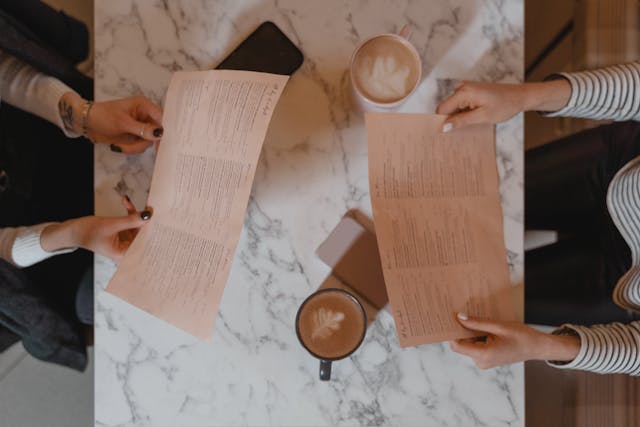
Ironically, trying to offer too much can sometimes hurt the guest experience rather than improve it. In many cases, the strongest concepts are those with a clear, focused menu that the team can execute consistently.
Many of the strongest performing restaurants right now are operating with tighter, more focused menus.
Not smaller, because they lack creativity.
Smaller because they understand operations.
Focused menus often produce:
- Better consistency
- Faster execution
- Stronger margins
- Easier training
- Better guest confidence
Guests rarely miss the items operators are emotionally attached to.
They remember whether the experience felt smooth and reliable.
Guests Are Evaluating Every Experience
Consumers may not consciously analyze every restaurant visit, but they are constantly evaluating value.
Was the food worth the price?
Did the experience feel easy?
Would I return?
Would I recommend it?
Did this feel better than other options nearby?
That comparison is happening every day, making continuous improvement critical for sustained success.
Restaurants are no longer only competing with direct competitors. They are competing against every experience guests have elsewhere.
Fast-casual brands are putting more emphasis on hospitality and guest experience.
Quick-service concepts are getting faster and smarter with technology and convenience.
Independent restaurants are investing more into atmosphere, branding, and presentation.
Chains continue to improve loyalty programs, mobile ordering, and the guest experience.
The guest expectation level keeps rising.
Restaurants that stand still often lose ground slowly without realizing it.
Loyalty Has to Be Earned Over and Over Again
One great visit is usually not enough anymore.
Guests have endless options. New restaurants pop up constantly. Social media constantly presents new concepts to them, and competition in most markets is intense.
Restaurants have to keep giving people a reason to come back.
That does not mean constantly chasing every trend or reinventing the concept every few months.
More often, it comes down to consistently getting the fundamentals right:
- Hospitality that feels genuine and personal
- Food and service guests can count on every visit
- Quality that holds up consistently
- Restaurants that feel clean, cared for, and well-maintained
- Service that is efficient without feeling rushed
- An atmosphere that people enjoy spending time in
- Managers who are visible and involved during service
- A team culture that guests can immediately feel when they walk through the door
Restaurants that stay disciplined with the basics often outperform trendier concepts that struggle with consistency.
Operators Need Better Visibility
A lot of restaurants are so focused on keeping the operation moving that they lose sight of what the guest is actually experiencing day to day.
Most operators spend their time:
- Covering staffing gaps
- Writing schedules
- Dealing with vendors
- Solving problems as they come up
Meanwhile, smaller guest frustrations can quietly build over time.
That is why regular operational reviews matter just as much as financial reviews.
Operators should be regularly looking at things like:
- Consistency in the guest experience
- Service flow during peak periods
- Menu performance
- Labor productivity
- Online reviews and guest feedback
- How the concept compares to competitors nearby
- Hospitality standards
- Whether the brand still feels clear and relevant to guests
The strongest operators stay engaged and curious about their business. They keep asking questions, listening to feedback, and looking for ways to improve.
They do not assume guests will continue coming back simply because they always have.
Strong Restaurants Adapt Without Losing Their Identity
The restaurant industry is always changing.
Guest expectations keep changing.
Technology keeps moving fast.
Hiring and staffing challenges continue to shift.
Even the way people choose where and how to dine out looks different from how it did a few years ago.
The strongest restaurant brands adapt to those changes without losing what made people connect with them in the first place.
They build better systems without making the experience feel overly scripted.
They streamline operations while still delivering real hospitality.
They make pricing adjustments carefully, without making guests feel like the value disappeared.
And they continue to evolve their menus while staying true to the brand's identity.
This balance is difficult.
But achieving this balance is what separates sustainable, resilient restaurant brands from reactive ones, and it is a primary takeaway of this discussion.
Prepared to elevate your restaurant performance? Contact Synergy Restaurant Consultants today to strengthen your operations and guest experience. Let's build lasting loyalty and profitability together.
Through operational assessments, menu analysis, guest experience reviews, leadership coaching, labor evaluations, training systems, and overall concept strategy, we help restaurants identify where the guest experience may be slipping and where operational gaps may be impacting consistency, profitability, and guest loyalty.
In today’s market, guests are still willing to spend money on restaurants that consistently deliver an experience they believe is worth it.
The question is not simply whether consumers are pulling back.
The bigger question may be whether your restaurant is still giving them a compelling reason to come back.