.webp)









.webp)

Restaurant margins get squeezed from every angle: ingredient inflation, wage pressure, and guests who still want “value” without sacrificing experience. Heading into 2026, sales growth has been modest even as costs stay elevated. The National Restaurant Association’s tracking shows eating-and-drinking place sales were up 1.2% year over year through November 2025 after adjusting for menu price inflation. Meanwhile, menu prices are still rising: the food-away-from-home Consumer Price Index was 4.1% higher in December 2025 than in December 2024. Translation: You don’t need more traffic to improve profits; you need tighter execution.
Below are 10 practical, consultant-style margin moves that typically produce results quickly when implemented consistently.
1) Rebuild your menu around contribution margin (not popularity)
Menu engineering identifies items that sell but don’t profit, and items that profit but need better placement or naming. A consulting engagement typically includes a full P&L-driven item matrix, along with a new layout and server talk tracks.
2) Standardize recipe costing and portion control
If your cooks “eyeball” proteins, your margins leak daily. Tight specs, calibrated tools, and weekly yield checks can protect thousands per month—especially for top-selling proteins.
3) Fix pricing with a clear strategy (not random increases)
Use price bands, competitor checks, and “good/better/best” anchors to increase the check average without scaring guests. Consultants often target the top 20% of items that drive most sales and adjust those first.
4) Engineer the check: bundles, add-ons, and beverage focus
A margin plan should include upsell prompts that feel helpful, not pushy: add protein, premium side, upgrade cocktail, or dessert for the table. Beverage programs are often one of the fastest paths to profit improvement.
5) Attack prep-to-plate food waste
Wasted food is real money. EPA estimates that tens of millions of tons of wasted food are generated across the retail, food service, and residential sectors. Consultants typically reduce waste by tightening pars, improving storage/labeling, using trim plans, and adjusting batch prep.
6) Tighten purchasing: vendor bids, order guides, and spec discipline
“Same vendor, same order, every week” is a common profit killer. A consulting process typically includes item-level benchmarking, alternative sourcing, contract reviews, and an order guide to prevent impulse buying.
7) Optimize labor with productivity targets (not just cutting hours)
The goal is better labor per cover, not burnout. BLS data show that employer compensation costs are a major expense in the leisure and hospitality sector. Strong consultants build schedules around forecasted demand, tighten station design, and improve training so the same labor produces more output.
8) Speed up throughput and table turns without hurting hospitality
Small changes matter: simplifying a slow station, revising prep lists, tightening expo, and improving seating flow. Faster ticket times mean more revenue per labor hour and fewer comps/refires.
9) Make off-premise profitable (fees, packaging, and menu rules)
Delivery can boost sales while eroding margins if fees and packaging aren’t controlled. Consultants often build an off-premise menu with fewer modifiers, stronger packaging specs, and pricing that reflects true costs.
10) Install a weekly KPI rhythm (so improvements stick)
The fastest operators review a short dashboard every week: prime cost, labor %, food %, waste, comp/voids, top-item margins, and check average. Consulting is valuable because it turns “we should” into a system with owners, deadlines, and accountability.
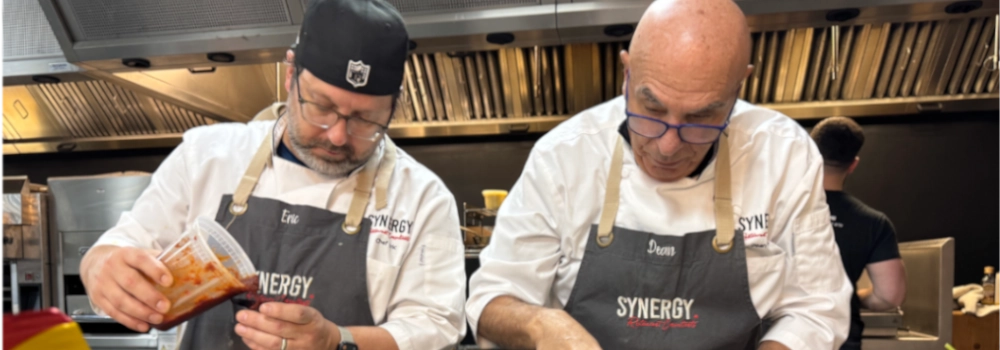
If you want these improvements to move quickly, the key is sequencing: start with menu + costing + labor (the big levers), then tighten purchasing and waste, and finally lock in systems so results don’t fade. That’s where experienced restaurant consulting (like Synergy’s 35+ years of hands-on work) tends to pay off—because execution beats ideas.