.webp)










.webp)

Spring is when many restaurants feel pressure to refresh their menus. Guests are ready for something lighter, brighter, and a little more seasonal. Operators want to create energy, drive repeat visits, and give regulars a reason to come back. The problem is that too many limited-time offers (LTO’s) sound exciting on paper, but create unnecessary stress in the kitchen once service starts.
That matters even more now as menu innovation remains a major industry priority while guests also seek value and quality. The National Restaurant Association’s 2026 culinary forecast states that operators are balancing comfort, adventure, value, and local sourcing, while McKinsey notes that cost-conscious consumers are making sharper choices about where and how they spend on restaurants.
In other words, spring LTOs can absolutely help. They just need to be built with operational discipline.
Why spring is a smart time for LTOs
Spring naturally lends itself to menu refreshes. Seasonal produce, lighter flavors, brighter presentations, and patio or weekend traffic all create an opportunity to test new ideas without fully reworking the core menu. It is also a good time to build momentum before summer.
The bigger picture supports that strategy. Restaurants have been leaning harder into LTOs overall, with Technomic data cited by Restaurant Business showing LTO launches were up 19% year over year as of November 2025, with 2025 on track to finish 10% higher overall. That tells operators two things: guests are used to seeing LTOs, and the competition is using them aggressively.
Still, more LTOs do not automatically mean better LTOs.
Where spring specials go wrong
The most common mistake is treating an LTO as a standalone creative exercise rather than an operational decision. A spring feature may look great in a meeting, but if it adds too many ingredients, too many prep steps, or too much station confusion, it can hurt service more than it helps sales.
A few red flags usually show up fast:
- The offer uses ingredients that do not appear anywhere else on the menu.
- It adds an extra sauce, garnish, or finishing step during peak periods.
- It depends on one employee knowing how to execute it correctly.
- It creates waste because the product window is too short.
- It sounds seasonal, but it does not fit the brand or the guest.
The best spring LTOs are those that feel fresh to the guest while remaining manageable for the kitchen.
What a smart spring LTO should do
A strong spring special should hit at least three targets.
First, it should feel seasonal. That could mean citrus, herbs, berries, greens, grilled items, lighter sauces, or a fresh beverage tie-in.
Second, it should support perceived value. Guests may want something new, but many are still price-sensitive, which is why value continues to be one of the defining themes shaping menus in 2026.
Third, it should be easy to execute operationally. If the kitchen is already tight on labor, the spring feature should simplify the shift, not test it.
Spring LTO ideas that keep things practical
Here are a few examples of spring promotions that can refresh the menu without creating major kitchen drag:
1. Seasonal sauce or topping swaps
Instead of launching an entirely new entrée, update a proven seller with a spring herb sauce, citrus glaze, chimichurri, pesto, strawberry component, or lighter aioli. This gives guests something new without changing the kitchen flow too much.
2. Spring combo or bundle offers
Pair an existing entrée with a seasonal side, soup, salad, or beverage. Bundles can create excitement and value while relying mostly on products the team already knows.
3. Limited-time salads or bowls using cross-utilized ingredients
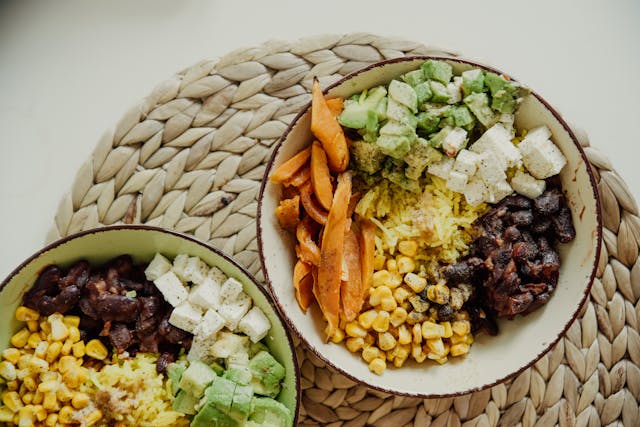
If you already use greens, grilled proteins, pickled vegetables, or grains, build a spring bowl or salad around what is already in house. The point is not to add inventory complexity. The point is to repackage familiar ingredients in a way that feels timely.
4. Seasonal beverages and desserts
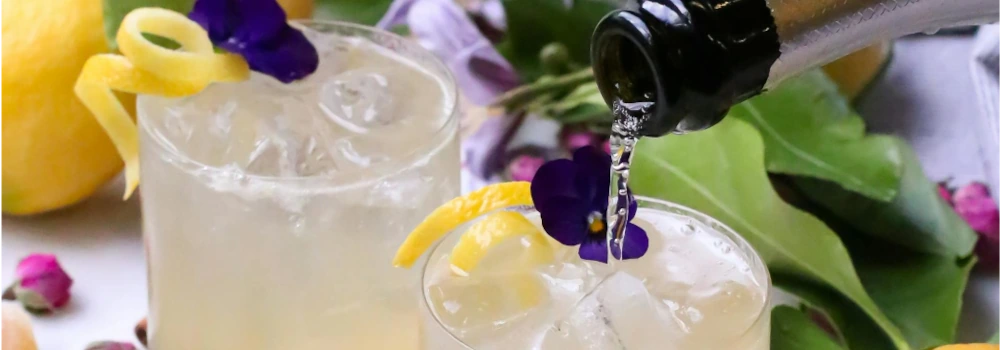
Spring lemonades, berry mocktails, lavender iced drinks, shortcakes, or citrus desserts can create strong seasonal appeal with less line disruption than adding a complex savory build.

5. Weekend-only or daypart-specific specials
If a spring feature is more labor-intensive, contain it. Run it for brunch, weekends, or off-peak windows instead of all day, every day.
The guardrails that matter most
Before launching any spring LTO, ask these questions:
- Can we execute this consistently during a busy shift?
- Are at least 60 to 80 percent of the ingredients already in use somewhere else
- Will this item slow ticket times?
- Is the margin worth the extra effort?
- Does it give the guest a clear reason to order now?
That last question matters because urgency is part of what makes LTOs effective. But urgency only pays off if the item is easy to run and easy to market.
Keep the menu fresh, not frantic
Spring is a great time to test menu ideas, highlight seasonal ingredients, and give guests something new to talk about. But the smartest operators do not chase novelty for its own sake. They use LTOs strategically, with clear goals around traffic, value, profitability, and execution.
If a spring special requires too much labor, too much training, or too many one-off ingredients, it is probably not a smart limited-time offer. A better approach is to build spring LTOs around the systems you already have, the ingredients you already trust, and the operational pace your kitchen can actually sustain.
That is where menu innovation becomes useful instead of disruptive.