.webp)









.webp)


Many restaurant owners treat profitability assomething they will figure out later.
The thinking often goes like this: open thedoors, get guests in, build some momentum, and tighten the numbers once salespick up.
It sounds reasonable, but it usually createsproblems.
Margins get squeezed early. Labor crept higher than expected. Menu pricing feels off. Cash disappears faster than planned. Before long, the owner is trying to fix structural issues while also running anew restaurant.
With this in mind, it's important to pause and consider a different approach:
The answer is yes, but only if profitability is part of the plan from the beginning.
At Synergy Restaurant Consultants, we help operators build concepts on a solid foundation before they open. That means working through margins, labor, pricing, systems, and guest demand early, when adjustments are easier to make and far less costly.
Profitability should not be something you scramble to fix later. It should be part of the plan from day one.
Where Profitability Is Usually Won or Lost
A lot of what drives future profit is before opening day.
Early choices can have a bigger impact than many owners realize, such as:
- Lease terms
- Size of the space
- Equipment purchases
- Service model
- Menu complexity
- Pricing strategy
- Staffing plan
- Hours of operation
- Vendor setup
- Technology choices
Once those decisions are in place, many of the costs become much harder to undo.
That is why smart operators pay close attention to the numbers early—not six months after opening, when cash is already under pressure.
1. Build the Right Size Concept
Bigger is not always better.
Many first-time operators assume more square footage means more opportunity. In reality, too much space often creates pressure.
A larger footprint can mean:
- Higher rent
- More utilities
- More furniture and maintenance
- More staff are needed to operate.
- Pressure to fill seats constantly
- Higher buildout costs
Many concepts perform better in smaller, more efficient spaces where sales per square foot are higher.
A well-planned 2,000-square-foot restaurant with good flow and steady demand can easily outperform a 4,000-square-foot space weighed down by extra overhead.
Choosing the right size space is one of the most important decisions a startup owner will make.
2. Keep the Menu Focused
Big menus often look appealing, but they usually come with hidden costs.
Those costs include:
- More inventory to manage
- More spoilage and waste
- More prep labor
- More training challenges
- Slower ticket times
- Less consistency
Tighter menus often perform better financially.
That does not mean giving guests fewer reasons to visit. It means being selective and intentional. Build the menu around what sells, what makes money, and what the kitchen can execute well.
Strong menu engineering helps identify:
- High-margin items
- Signature items worth promoting.
- Low performers are dragging downprofit.
- Opportunities to simplify prep andpurchasing
Too many startups build menus around personalfavorites instead of business logic.
Guests do not need 80 options. They needconfidence that what they order will be good.
3. Price With Intention
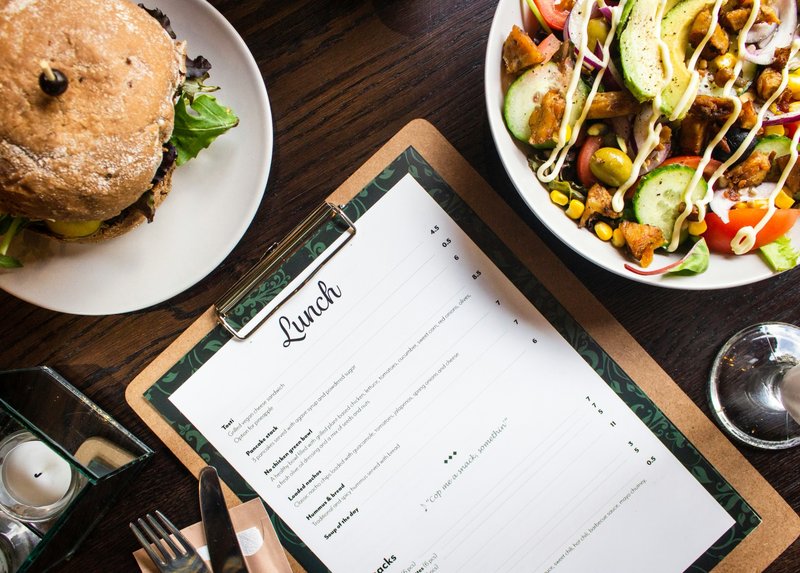
Many operators underprice out of fear.
They worry guests will think prices are too high, especially during the opening. So they price conservatively and hope volume makes up the difference.
That can be dangerous.
Pricing too low can hurt the business from the start and create a hard-to-fix expectation in the market.
Pricing should account for:
- Ingredient costs
- Labor needed to prepare and serve the item
- Your place in the market
- Perceived guest value
- Nearby competition
- The margin needed to run a healthy business
Low pricing is not always a value strategy. Sometimes it is simply unsustainable.
Smart pricing balances guest appeal with long-term viability.
4. Build Labor Into the Model
Labor is one of the highest controllable costs in the restaurant business.
Too many concepts appear profitable on paper because the labor assumptions are unrealistic.
Before opening, operators should understand:
- How many team members are needed for each daypart
- Which positions can be cross-trained
- What management structure makes sense
- How schedules should adjust as volume changes
- What level of staffing can the service model truly support
- How overtime will be monitored and controlled
For example, a concept aiming to deliver full-service hospitality at fast-casual pricing often struggles because its labor model and pricing are misaligned.
Good labor planning helps prevent costly surprises later.
5. Build for Throughput
Driving sales matters just as much as controlling costs.
If lines move slowly, guests wait too long, or service feels chaotic, revenue gets left behind.
The concept should be designed to keep traffic moving, including:
- How guests place orders
- Where pickups happen
- POS placement
- Expo setup
- How food moves from the kitchen to the guest
- Seating flow
- Table turns
- Mobile order pickup and integration
A concept that handles volume smoothly during rush periods usually outperforms one that backs up during lunch and dinner rushes.
Throughput is often the difference between a busy restaurant that makes money and one that does not.
6. Understand Prime Cost Early
Prime Cost = Food + Labor
It is one of the most important numbers in the restaurant business.
If a concept opens with weak food controls and an oversized labor model, cash flow pressure can quickly emerge.
Before launch, operators should know:
- Target food cost percentage
- Target labor percentage
- Combined prime cost goal
- How those numbers will be trackedweekly
- What actions will be taken ifcosts drift
Many struggling restaurants are really dealing with prime cost issues, whether they realize it or not.
The sooner operators recognize that, the better decisions they can make.
Common Profitability Mistakes in Startups
Overspending on Buildout
Too much money goes into finishes, upgrades, and things guests barely notice—while working capital gets overlooked.
Underestimating the Ramp-Up Period
Sales often take time to build. Many owners expect full volume too soon.
Too Many Low-Margin Items
Just because something is popular does not mean it helps the bottom line.
Weak Vendor Controls
No pricing strategy, no regular review, and no accountability can quietly erode margins.
No Weekly KPI Review
Owners need to know the numbers consistently. Guessing is not a plan.
What Profitable Concepts Usually Have in Common
The most successful openings usually have a few things in common:
- A clear concept that people understand
- Focused menus
- Smart pricing
- Realistic labor plans
- Strong cost controls
- Consistent execution
- Reasons for guests to come back
- Owners who know their numbers
Profitability usually does not happen byaccident.
More often than not, it comes from many smartdecisions made early in the process.
How Synergy Helps Operators Launch Smarter
At Synergy Consultants, we guide operators in building stronger economics before they open.
We support clients with:
- Feasibility studies
- Menu engineering
- Pricing strategy
- Labor modeling
- Kitchen workflow
- Operational system
- Vendor strategy
- Profitability planning
Sometimes that means refining a new concept before launch. Other times, it means helping an early-stage restaurant fix margins before small issues become major ones.
Either way, the goal is the same: build a stronger business.
So, can a new restaurant concept be built to be profitable from day one?
Absolutely.
But it does not happen by luck.
The strongest concepts are not just creative, they are practical, disciplined, and built around numbers that work.
At Synergy Consultants, we help owners create concepts that open with purpose, run with control, and grow with healthier margins. If your idea needs refining, or your current numbers are off, we can help turn it into a more profitable business.