.webp)










.webp)


Ask most people what makes a great senior living community, and they will mention the staff, care, activities, or facilities.
Ask residents, and many will tell you something else.
They will talk about the food.
Dining is one of the most visible and consistent parts of daily life in a senior living community. Residents experience it multiple times each day, families notice it when evaluating communities, and staff hear about it when expectations are not met. That makes dining a central part of the resident experience.
A dining program influences far more than mealtimes. It affects resident satisfaction, community reputation, occupancy, referrals, and overall quality of life, making it a strategic driver of community performance.
Research on food service satisfaction in long-term care has found that resident satisfaction with food services contributes to health and well-being, reinforcing dining as part of the resident experience and quality-of-life conversation.
Residents Compare Dining Experiences Every Day
Unlike many hospitality businesses, senior living dining programs do not receive occasional guest visits. Residents experience the dining program every day.
Food Quality Is Only One Piece of the Experience
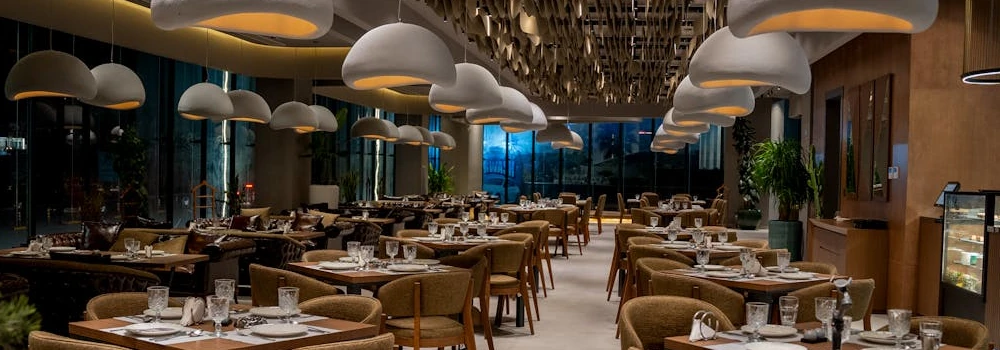
Dining satisfaction often depends on food quality and consistency, menu variety, service standards, dining room atmosphere, meal presentation, wait times, staff interaction, dietary accommodations, flexibility, and cleanliness.
Operational Efficiency Supports Better Resident Experiences
Many dining challenges originate behind the scenes. Kitchen workflow, production systems, purchasing procedures, labor deployment, inventory management, and interdepartmental communication all affect the resident experience, showing why operational execution matters.
Senior living operators are also looking more closely at technology, menu management, dining staff scheduling, and point-of-sale tools to manage foodservice delivery and improve better dining experiences.
Staffing and Training Remain Critical Challenges
The State of Senior Living Dining report highlights labor and staffing challenges as ongoing pressure points for dining teams, along with the need to balance food quality, nutrition, and resident expectations.

Menu Development Should Reflect Resident Preferences
A senior living menu cannot feel like it was built in a boardroom and never updated. Residents eat from it every day and notice when choices feel repetitive, outdated, overly restrictive, or disconnected from what they actually enjoy.
The best dining programs pay attention to what residents order, what they leave behind, what families comment on, and what the kitchen team struggles to execute consistently. Those details can reveal where the menu needs more variety, better seasonal options, simpler production, or stronger accommodation for special diets.
A strong menu should feel familiar, flexible, and enjoyable while still being realistic for the team preparing it. That balance helps dining feel less institutional and more like hospitality.
Measuring What Matters
Areas worth tracking include:
- Resident Satisfaction Scores
- Dining-Related Complaints
- Food Cost Performance
- Labor Performance
- Dining Program Participation Rates
- Employee Retention
- Food Waste Levels
- Resident Survey Feedback
- Family Feedback and Satisfaction
- Meal Attendance Trends
- Service Speed and Wait Times
- Special Dietary Accommodation Requests
Turning Dining Into a Competitive Advantage
Communities that treat dining as a strategic asset often see benefits that extend beyond foodservice performance. The quality of the dining experience can influence resident satisfaction, occupancy, referrals, and reputation.
At Synergy Restaurant Consultants, we help senior living operators evaluate dining programs, improve foodservice operations, develop menus, strengthen service standards, and create dining experiences that support resident satisfaction, operational performance, and lasting value.
Great dining programs do more than serve meals. They help create communities where residents genuinely enjoy living. That is the standard we help communities reach.
Sources
National Library of Medicine:
https://pmc.ncbi.nlm.nih.gov/articles/PMC9921588/
State of Senior Living Dining Report:
https://gfs.com/wp-content/uploads/2024/01/2023-shn-gordonfoodservice-ebook-vf.original-1.pdf
MatrixCare Dining Survey:
https://go.matrixcare.com/rs/227-DAM-058/images/FAC-EB-Dining-survey-2023.pdf
CMS Dining Observation Guidance:
https://www.cms.gov/files/document/cms-20053-diningpdf