.webp)










.webp)


Opening a second restaurant location is an exciting sign of growth, but it is also one of the most important moments for a restaurant owner to slow down and look carefully at the business. A successful first location can create momentum, confidence, and brand recognition, yet expansion puts pressure on every part of the operation. Systems that felt manageable with one restaurant can become strained once there are two teams, two kitchens, two management structures, two guest experiences, and two sets of financial expectations.
That matters in the current restaurant environment. The National Restaurant Association’s 2026 State of the Restaurant Industry report points to continued pressure around operations, workforce, food and menu trends, and overall market shifts, while the James Beard Foundation’s 2026 Independent Restaurant Industry Report highlights persistent cost pressures, shifting consumer behavior, workforce complexity, and rapid operational change. Restaurant growth can still be a strong opportunity, but it needs to be built on repeatable systems and a clear understanding of whether the first location is truly ready to scale.
Look at How Dependent the Restaurant Is on the Owner
Before opening a second location, owners should take an honest look at how much the first location depends on them every day. If the owner is still the one solving every staff issue, approving every vendor order, handling every guest complaint, correcting every shift problem, and stepping in whenever the team is unsure, the business may need stronger systems before it can grow.
A second location usually reduces the time an owner can spend in either restaurant. That makes documentation, leadership, and accountability much more important. Opening and closing procedures, ordering systems, training standards, service expectations, cash handling, inventory routines, and manager responsibilities should be clear enough that the restaurant can operate consistently without the owner having to make every decision.
This does not mean the first restaurant is weak. Many strong independent restaurants grow from hands-on ownership. The question is whether the business is ready to move from owner-led execution to system-led execution.
Review the Financial Model Before You Commit
Strong sales at one location do not automatically mean the restaurant is ready for another lease, buildout, hiring cycle, and opening budget. Expansion requires a detailed review of profit margins, prime cost, food cost, labor cost, rent assumptions, vendor pricing, debt service, manager salaries, pre-opening expenses, and working capital.
Owners should also identify what made the first location successful. The answer may be the concept, location, leadership, regular guests, menu, pricing, atmosphere, or the owner’s personal presence. If success depends heavily on factors that cannot be repeated, the second location may need a different plan.
A restaurant consulting firm can help owners analyze these numbers with greater clarity. The goal is not just to decide whether a second location is possible. The goal is to understand what must be strengthened for expansion to become sustainable.
Make the Guest Experience Repeatable
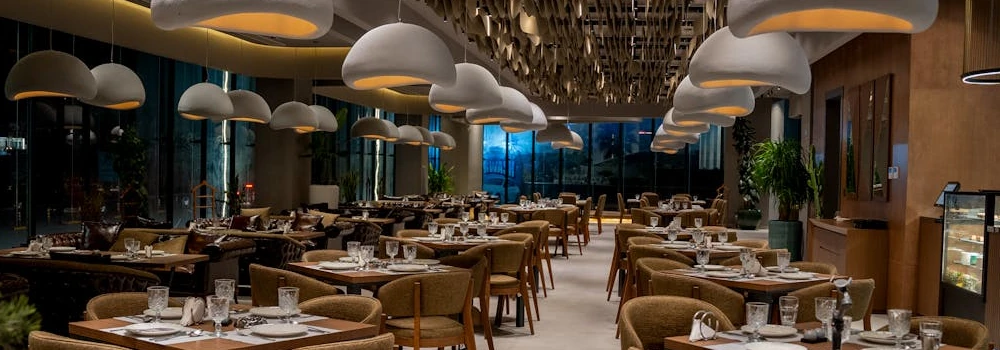
Guests often connect with a restaurant because of details that feel natural inside the original location. The greeting, pacing, energy, menu knowledge, lighting, music, plating, table touches, and problem-solving style all shape the guest experience. When a restaurant expands, those details need to be taught and repeated by a new team.
Before opening location two, owners should define what the guest experience should feel like. That includes service standards, hospitality expectations, menu descriptions, manager involvement, cleanliness standards, reservation flow, takeout procedures, and recovery steps when something goes wrong.
Consistency does not have to make a restaurant feel rigid. It helps make the brand easier to trust.
Strengthen Training Before Hiring for the Second Location
Training is one of the biggest differences between operating one restaurant and growing into multiple locations. Informal shadowing may work when the owner and senior team are always nearby, but a second location needs training materials that can be used consistently.
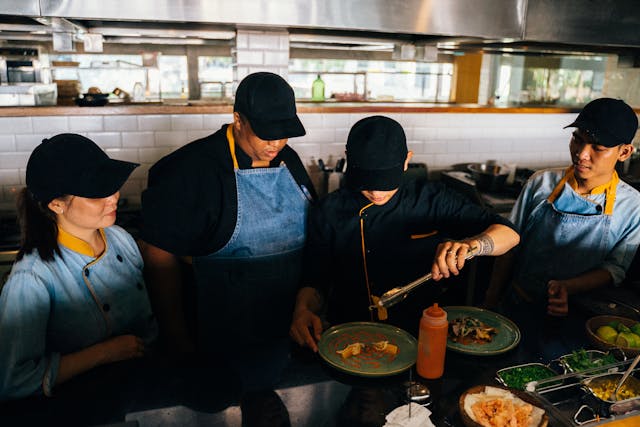
That may include position-specific checklists, service standards, kitchen procedures, menu guides, bar training, pre-shift communication templates, manager expectations, and culture guidelines. Employees should understand more than the tasks. They should understand the standards behind the concept and how their role affects the guest experience.
When training is rushed, the second location can open with avoidable inconsistencies. When training is built into the expansion plan early, the team has a better chance of delivering the concept with confidence.
Evaluate Leadership Depth
A second location needs excellent leadership. Owners should assess whether they have managers, kitchen leaders, trainers, and supervisors who can maintain standards as the business grows.
If the plan is to move the strongest people from the first location to the second, the owner needs a plan to keep the original location stable. Many expansion problems arise when a strong first team is split between two restaurants, without sufficient leadership depth to support both.
Growth requires people who can manage pressure, communicate clearly, follow systems, coach staff, control costs, and make decisions that protect the brand. These leaders should be developed before the opening timeline becomes urgent.
FAQ: Opening a Second Restaurant Location
How do I know if my restaurant is ready for a second location?
A restaurant may be ready for a second location when the first location has consistent profitability, documented systems, reliable managers, repeatable guest-experience standards, and sufficient cash flow to support growth. Strong demand is helpful, but owners should also know whether the business can run well without constant owner involvement.
What should restaurant owners fix before expanding?
Before expanding, restaurant owners should review operations, training, leadership structure, menu consistency, vendor systems, food and labor costs, and financial projections. Any issues in the first location can become more difficult to manage once a second location opens.
Can restaurant consultants help with expansion planning?
Yes. Restaurant consultants can help owners evaluate whether the concept is ready to scale, identify operational gaps, strengthen training systems, review financial assumptions, and develop a plan to open the next location with greater consistency and control.
Build the Business Before You Build the Next Location
Opening a second restaurant location can be a major opportunity, especially when the original concept has strong demand and a loyal guest base. The strongest expansion plans begin before the next lease is signed. They begin with systems, training, leadership, financial clarity, and a realistic understanding of what made the first location work.
Synergy Restaurant Consultants helps restaurants identify operational bottlenecks, strengthen systems, improve service flow, and create practical solutions that fit the concept, team, and guest experience. Small fixes can have a major impact when they are tied to a clear operating plan.