.webp)







.webp)

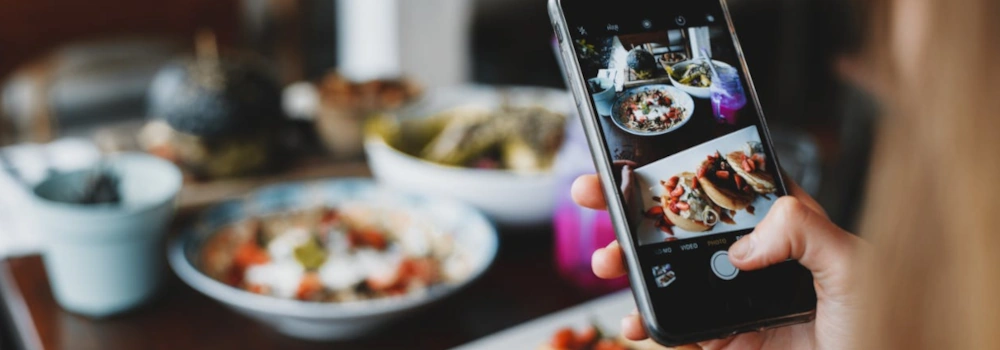
Restaurant discovery has shifted fast. Today, guests don’t just “look you up” after hearing about you—they often discover you first through a Reel, a TikTok, or a local foodie’s weekly roundup. For restaurant owners, influencer marketing isn’t just a branding play anymore. Done right, it becomes a repeatable channel that produces three things you need all year: new guest traffic, fresh content, and measurable demand.
Industry watchers are calling out influencer strategy as part of the 2026 restaurant marketing mix alongside AI and evolving digital behavior.
Featured Podcast Episode: Influencer Marketing That’s Repeatable (Not Random)
In our latest Restaurant Roadmap Podcast powered by Synergy Restaurant Consultants, we sat down with Vince Wang (Co-Founder & CMO of Mustard.love) to talk about how restaurants can build sales by using influencers consistently—without turning it into a time-drain or a guessing game.
What came through clearly: restaurants often “dabble” in influencers once, get mixed results, then stop. The winning approach is building a simple, scalable system so influencer marketing becomes a monthly cadence (not a one-off experiment).
Podcast takeaways restaurant owners can use immediately
- Local beats large: a massive following doesn’t help if the audience can’t visit your restaurant
- Consistency matters: multiple creators per month builds “social proof frequency” faster than one post
- Operators stay in control: the restaurant should act like the creative director—highlighting what matters (new menu items, grand opening, seasonal specials)
- Tracking is the game-changer: reach and engagement are nice, but the goal is visits and revenue
TikTok vs. Instagram for restaurants
Both platforms matter, but they behave differently.
TikTok tends to be a discovery engine. A strong hook plus a craveable visual can drive fast awareness. The upside is reach. The downside is operational whiplash if you go viral without prep.
Instagram Reels tends to be stronger for conversion and consistency—your “visual storefront.” Guests browse your Reels, Highlights, and tagged posts like a portfolio before deciding.
Best operator strategy: use TikTok to get found and Instagram to get chosen.
Influencers work best when they’re local and credible
In the restaurant world, the most reliable partnerships are usually not celebrity creators. They’re local or regional creators whose followers are actually in-market. You’re looking for:
- Audience match (local diners, your price point, your cuisine category)
- Good storytelling (clear visuals, authentic reactions, easy-to-understand menu picks)
- Consistency (willing to do repeat visits or recurring content)
- Professionalism (shows up, posts on time, follows your brief)
If you want one simple filter, prioritize creators whose audience overlaps with your zip code and who consistently drive saves/comments like “I’m going this weekend.”
Disclosure rules: keep it clean and transparent
If a creator is paid, comped, or receives anything of value, proper disclosure is required. The FTC is clear that creators should disclose relationships that could affect how people view an endorsement, including free meals or other perks.
On Instagram, Meta’s branded content policies require using the Paid Partnership label for organic branded content.
For restaurant owners, disclosure protects trust and prevents messy backlash (“fake review” accusations). It also keeps your collaborations aligned with platform rules.
What to include in every influencer agreement (keep it simple)
A short-written agreement saves headaches. Include:
- Deliverables (Reels/TikToks + Stories, due dates)
- Key focus (menu item, happy hour, new opening, seasonal feature)
- Usage rights (permission to repost content on your channels)
- Disclosure (Paid Partnership label / #ad where appropriate)
- Tracking (unique code, special landing link, or “mention this video” offer)
- Boundaries (no filming guests without consent, kitchen rules, etc.)
Tracking ROI without making it complicated
Influencer marketing fails when it’s treated like “free publicity.” Treat it like a campaign:
- Promo code in POS (easy to count)
- Trackable link for reservations (or a QR code to a dedicated page)
- Time-boxed offer (creates urgency without discounting forever)
- Content asset value (repost the best clips for weeks)
Even if you don’t run discounts, you can track: reservations, redemptions, follower growth, and featured-item sales lift.
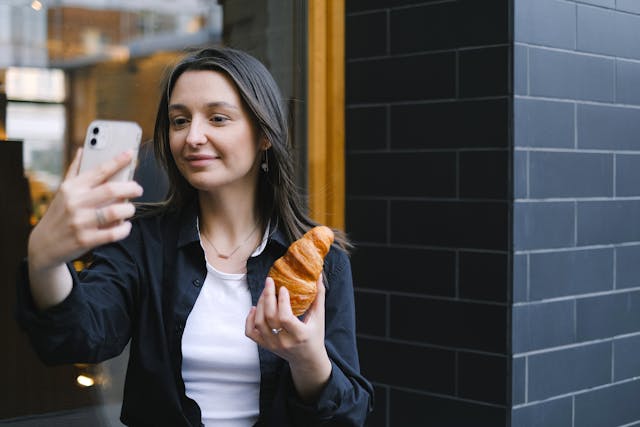
Use AI to make content planning faster
The reality is that plenty of restaurants have great food. The difference is whether enough people know about it this week and next week. Consistent content keeps your restaurant in the “consideration set” on TikTok and Instagram. TikTok’s Symphony tools are designed to help brands and creators brainstorm and speed up creative workflows.
A simple move: build a monthly content plan around what creators are already making, then repurpose the best clips into Reels, ads, email, and Google Business Profile posts.
How Synergy can help
Synergy Restaurant Consultants has spent 35+ years helping operators improve revenue through smarter operations, guest experience, and brand strategy. Influencers can absolutely drive traffic—but profitability depends on whether your kitchen, staffing, and systems can deliver when demand hits.
If you want help building an influencer plan that doesn’t create chaos, reach out:
Visit: synergyconsultants.com