.webp)









.webp)

January always delivers the same reality check: slower traffic, tighter guest spending, and margins that suddenly feel smaller. But if you look around, two kinds of operators emerge: the ones trying to ride out the winter, and the ones using Q1 to reset their course and set the tone for the rest of the year.
The operators who perform best over the course of the year tend to share a similar mindset. They aren’t just trying to survive the slow stretch; they’re trying to build a stronger, cleaner, and more resilient business by spring. They take a planning-driven approach, not a desperation-driven one. And it shows in their numbers.
As we dive into 2026, there are four areas in particular that operators should focus on if they want to lead rather than react.
1. Labor Strategy Instead of Labor Cutting
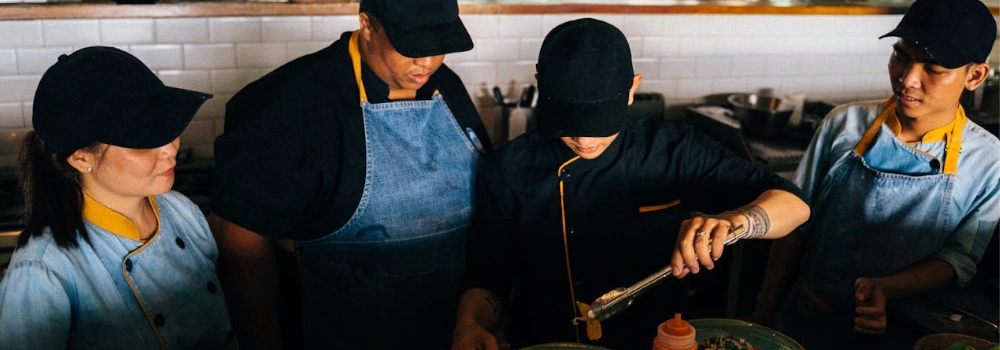
Anyone who has run a restaurant in the last few years knows that “cut labor until the numbers look better” is no longer a viable strategy. Labor pools are tighter, wages are higher, and turnover burns time and money. Operators seeing success right now aren’t cutting hours; they’re rethinking how labor works. Teams are leaner but far more versatile than they were pre-COVID. The dishwasher can help with prep, servers can assist in expo, and bartenders can run food during a rush, because the crew is built to be flexible and adaptable.
Training is coming back into focus, too, especially cross-training. When two people can handle three stations, a call-out or a surprise rush doesn’t turn into a meltdown. The operators who are getting ahead right now treat training and culture as part of the labor model, not something you squeeze in when things “slow down.”
A well-trained, well-supported crew produces more revenue per labor hour than a stressed or poorly onboarded one ever will.
2. Smarter Menu Engineering
Menus used to get redesigned only when the chef was inspired or when guests stopped ordering a dish. Now, the menu is viewed for what it really is: one of the most powerful financial levers in the business.
The operators doing well in 2026 are studying contribution margins — not just food cost percentages — and building menus that nudge guests toward profitable choices without making it obvious. They’re treating the menu's layout, sequencing, and category grouping like a roadmap. And importantly, they’re revisiting the menu throughout the year instead of letting it gather dust.
Data-driven operators review their menu twice a year. The process is simple: run a PMIX, identify high-volume items with room to raise prices, cut the dead weight, adjust portions or suppliers where it makes sense, and make sure the staff knows how to highlight the stars. The goal isn’t to “cheap out”; it’s to make sure the menu works for the business rather than just a list of dishes.
3. Technology That Drives Results
There’s no shortage of tech aimed at restaurants, and new tools hit the market all the time. The more experienced operators have become selective, prioritizing systems that streamline service, automate repetitive tasks, or improve kitchen efficiency.
Tech tools that are producing returns right now tend to fall into a few buckets:
- table management tools that help pace the dining room
- labor forecasting that pulls real data from the POS
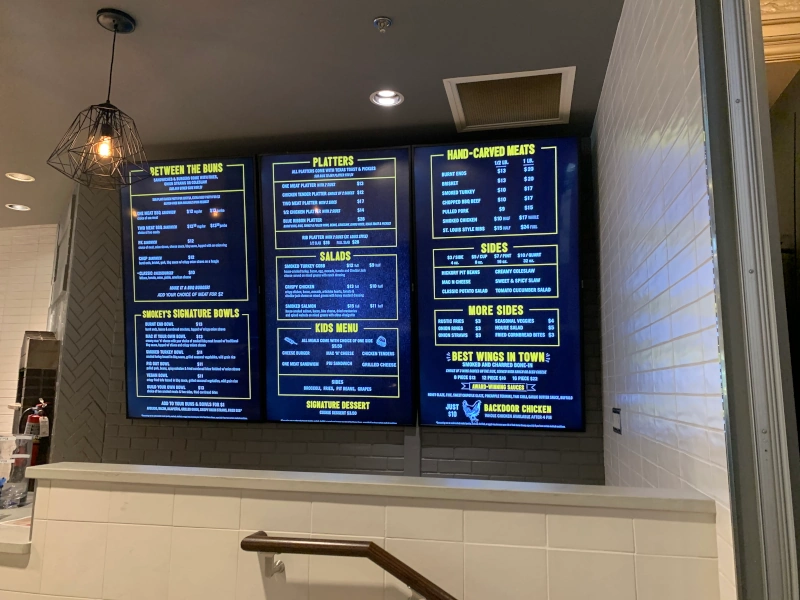
- digital menu boards for faster adjustments in fast casual
- tip management systems that clean up end-of-night headaches
- BOH automation for repetitive or risky tasks
If operators find a tool that solves real operational pain points, like speeding up table turns, reducing training time, simplifying payroll, or preventing ordering mistakes, operators are finding the budget for it. If it’s just shiny tech without straightforward utility, most are walking away.
The interesting shift is that tech is no longer being purchased as a replacement for hospitality; it’s being used to protect hospitality.
4. Forecasting With Real Data
The gut will always have a place in restaurants, but it’s no longer driving the car by itself. Operators are increasingly relying on year-over-year reporting, weather data, seasonal patterns, and reservation pacing to make smarter purchasing and staffing decisions.
This is showing up in two key areas:
Purchasing:
Instead of ordering based on “how it felt last year,” operators are digging into covers, comps, prep waste, and vendor cycle timing. The result is less spoilage and fewer “just in case” orders.
Staffing:
Forecasting tools are helping managers build schedules around demand instead of tradition. Monday lunch might now outpace Wednesday dinner, and the schedule follows traffic rather than arguing with it.
The result is straightforward: fewer surprises, smoother shifts, and cleaner numbers.
Set the Year, Don’t Chase It
The operators who are successful at optimization are building operations that can handle traffic swings, deliver consistent hospitality, and achieve margins without gambling on best-case scenarios. They use Q1 to tune up systems, reset expectations, and decide what they want the business to look like by summer.
This shift in mindset matters. Instead of asking, “How do we make it through the slow months?” they’re asking, “How do we make sure this year beats last year?” Those are the operators who end up leading their markets rather than reacting to them.
Synergy works with independent operators, multi-unit groups, and emerging brands to tighten operations, improve profitability, and build scalable systems. From labor optimization and menu engineering to leadership development, we focus on the areas that actually impact performance. If you’re planning your 2026 strategy and want a partner who knows how to build for the long term, we’re here.